If one or both of you are autistic, ADHD or AuDHD, a lot of relationship advice can feel as if it was written for somebody else. Be more spontaneous. Talk it through now. Just know what the other person needs. When that advice doesn’t work, it’s easy to decide that you’re the problem, or that the relationship is.
Usually, neither is true. More often, two nervous systems are trying to connect in different ways, without a shared map.
I’m a COSRT-accredited psychosexual and relationship therapist, and I’m autistic and ADHD myself. I work online with couples across the UK where one or both partners are neurodivergent, and with individuals who want to understand how their neurodivergence shows up in sex and relationships. My approach is neurodivergent-affirming. We’re not trying to make anyone more “typical”. We’re working out what actually works for the two of you.
This page brings together the themes that come up most often in my work with neurodivergent couples, with articles I’ve written on each. Take what’s useful and leave the rest.
When you love each other but keep missing each other
Many of the couples I work with care deeply about each other and still end up in the same painful loop. One of you wants to talk it through right now; the other needs time and quiet before the words are even there. One of you feels starved of attention, while the other has spent hours thinking about the relationship and can’t understand why that love isn’t landing.
Neither of you is doing it wrong. You may simply process, communicate and show love in different ways. Misunderstandings between different neurotypes run in both directions, not just one. Once you can see the pattern, it stops being so personal, and you can start to build a shared language.

Neurodivergent Relationships: How Therapy Can Help Mixed Neurotype Couples Thrive
Discover how neurodivergent couples therapy can improve communication, deepen connection, and bridge misunderstandings.

Communication Differences in Neurodivergent Relationships
Struggling with communication in a neurodivergent relationship? Learn how different processing styles impact connection — and how to navigate them as a couple.

Neurodivergent Communication: Feelings, Emotions and Relationships
Struggling with emotional awareness in relationships? This guide to neurodivergent communication explores feelings vs emotions and how to express them more effectively.
Sex, desire and sensory needs
Neurodivergence can shape how desire shows up, what touch feels like, how easy it is to stay present during sex and how much energy is left for intimacy at the end of a long day. Sensory needs, overwhelm, masking and a busy mind all play a part. So can shame, especially if you were diagnosed later in life and are looking back at your history with new eyes.
None of this means you’re broken. It means the usual scripts about sex may not fit, and that you get to write ones that do. There’s more on this in my guide to sex, desire and intimacy.
How Autism and ADHD Shape Sexuality
Navigating sexuality is complex for everyone, and for Audhd individuals, it offers unique challenges and opportunities. While autism and ADHD might seem distinct, they often coexist,…
Navigating ADHD: How Can ADHD Impact Sex
ADHD, in its diverse forms, has a profound influence on a persons life. If sex is part of your life ADHD will be right there with you. Let's delve into how ADHD can affect your sex life and your relationships.

Navigating Autism: Autistic sex and relationships
Every autistic person is unique, experiencing the world in their own distinct way. From my perspective, autistic sex and autistic relationships can exhibit differences in how they look, feel, and function
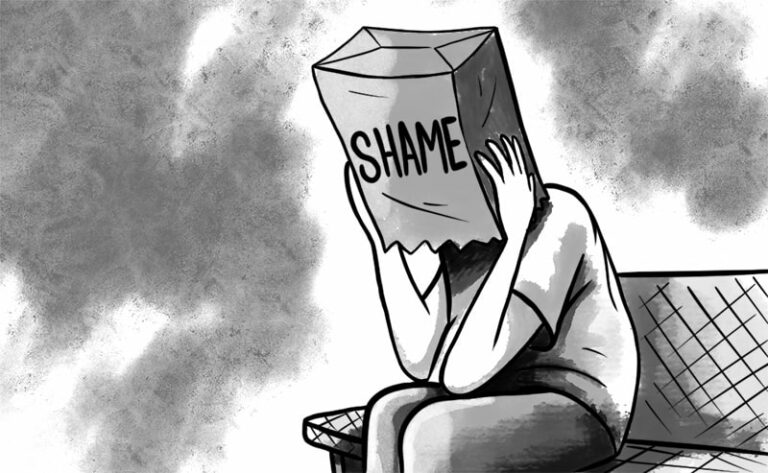
Navigating ADHD: Sex and Shame
ADHD profoundly impacts daily life, influencing attention, impulse control, and executive function. Sex and shame often go hand in hand but for those with ADHD the shame can be
Falling in love, and what comes after
For a lot of autistic and ADHD people, the early days of a relationship are intense in one direction or another. You might fall fast and hard, or find the guesswork of dating exhausting. When will they text back? Are we a couple now? Should I have said that?
And when the first rush settles, it’s common to wonder whether something has gone wrong. Often it hasn’t. Your nervous system may be asking for something different: more safety, more pacing, more clarity.

Why AuDHD People Fall in Love Fast — and Why That’s Not Always a Red Flag
AuDHD people often fall in love fast. Learn how neurodivergent nervous systems bond and why intensity isn’t a relationship red flag.

Navigating Autism: Honeymoon or Honeyhell?
For those blessed with innate intuition, the early days of new relationships are characterised by excitement, shared discovery and

What Does Love Feel Like?
Explore what love looks like in ADHD autism relationships. This blog unpacks how neurodivergent love challenges mainstream ideas of romance
A relationship that fits you
There isn’t one right way to have a relationship. Some neurodivergent couples need more time apart, separate routines or very clear agreements. Some relationships look conventional from the outside and work in quietly unconventional ways. Some don’t look conventional at all.
What matters is that the shape of your relationship is chosen rather than simply inherited, and that it leaves room for both of your nervous systems.

Neurodivergent Relationships: Why Going Off-Script Can Help
In neurodivergent relationships, “standard” scripts may not fit. Here’s how off-script relationships can thrive

ADHD and Relationships
A ADHD can manifest in various ways, and some symptoms can lead to misunderstandings and frustrations between partners.

Mixed Orientation Relationships: Queering the Norms
Discover how autistic people experience mixed orientation relationships, challenge traditional norms, and embrace authentic love

How to Set Healthy Boundaries in a Relationship
Learn how to set healthy boundaries in relationships without over explaining or shutting down and improve connection and communcation
How I work with neurodivergent couples
Therapy should fit your brain too. Sessions are online, so you can join from a space that already feels comfortable. You’re welcome to keep your camera off, to move around, fidget or doodle, or to have a pet or a weighted blanket with you. I’ll be clear about what we’re doing and why, and we can build in time to process rather than expecting answers on the spot.
My couples work is grounded in Relational Life Therapy, which I’ve trained in with its founder, Terry Real. It’s a direct and warm approach that looks at the patterns that keep you stuck and helps you both take responsibility for changing them. Alongside it, my training in clinical sexology means we can work with the sexual side of your relationship as well as the relational side.
I offer weekly 50-minute sessions: £170 for couples and £120 for individual therapy. You can read more about working with me, or book a free consultation to see whether we’re a good fit.

How an Autistic Sex Therapist Accommodates Clients
An autistic sex therapist offering audio-only sessions, movement-friendly therapy, and clear communication to support my clients
What is Relational Life Therapy?
Relational Life Therapy: A Direct, Compassionate Path to Better Relationships Relational Life Therapy (RLT) is a practical, direct approach that helps couples move from blame and…
More on neurodivergence

Is Christmas Impacting Your Relationship?
Christmas can strain neurodivergent couples. Learn why this season feels overwhelming and how to protect your relationship and your nervous system