How Patriarchy Shapes Our Relationships
20th July, 2026
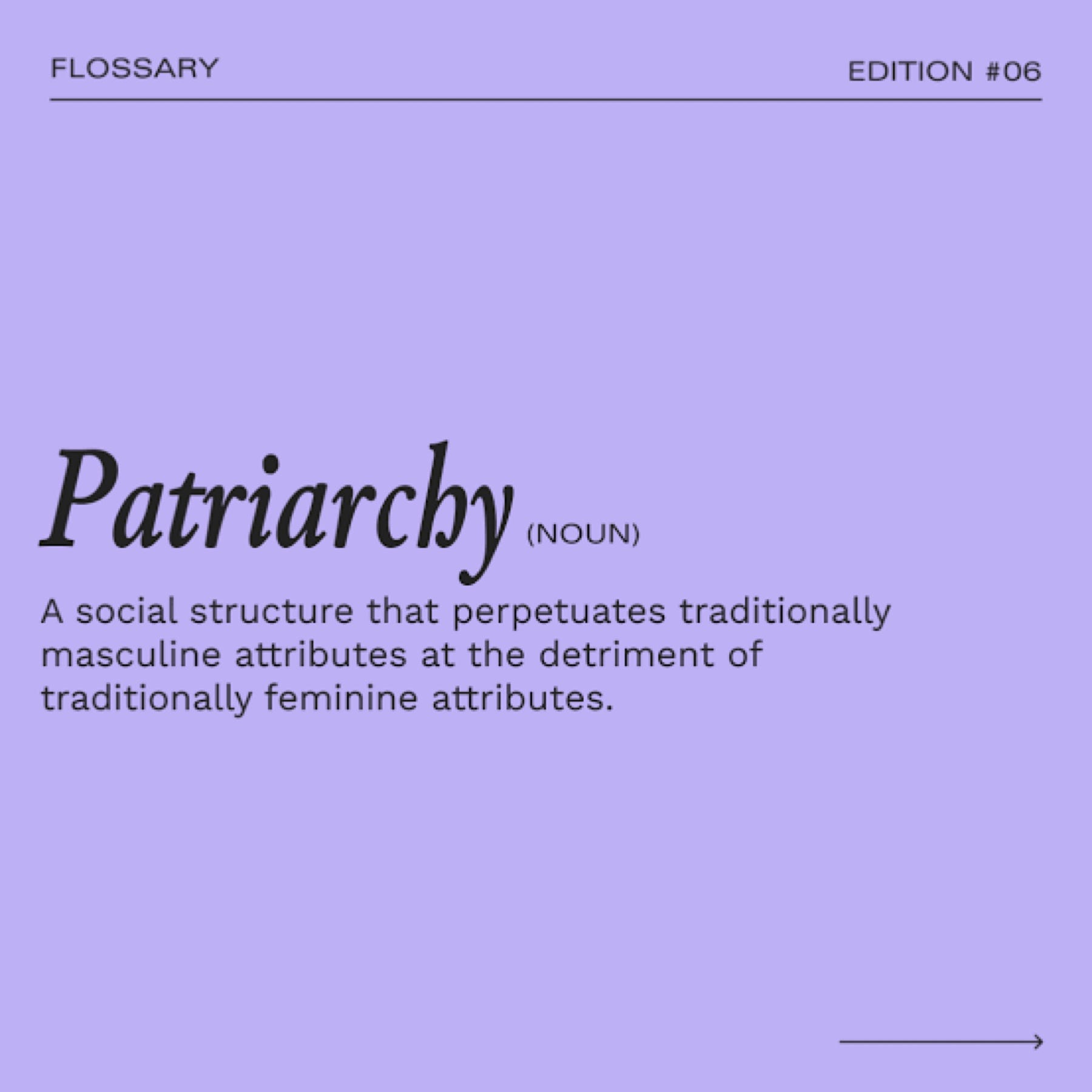
When people hear the word patriarchy, they often think about politics or the workplace or men in general. But patriarchy isn’t just one thing or simply just men. Patriarchy is a social system that has traditionally placed men in positions of greater power and privilege than women, while also prescribing rigid roles and expectations for everyone, regardless of gender.
Derived from the Greek word patriarchēs (meaning “rule of the father”), it denotes a society characterised by male dominance and centred around male interests.It shapes the stories we’re told about love, sex, relationships, and even who we’re allowed to be.
From an early age, many of us absorb messages about what it means to be a “good” partner. Women are often encouraged to be accommodating, emotionally available, and responsible for keeping relationships together. Men are frequently taught to be independent, emotionally restrained, and valued for what they achieve rather than how they feel.
These expectations don’t just affect how we communicate. They shape how we experience intimacy.
Many people arrive in therapy feeling disconnected from themselves without realising they’ve spent years trying to meet expectations that were never truly theirs. They may struggle to set boundaries because they’ve learned that love means self-sacrifice. Others find it difficult to express vulnerability because they’ve been taught that emotions are a sign of weakness. These patterns can affect desire, pleasure, conflict, communication, and emotional connection.
In psychosexual therapy, I often see how these cultural messages influence our sexual relationships. We may believe that desire should look a certain way, that sex should follow a particular script, or that one partner’s pleasure matters more than the other’s. When we carry these beliefs into adulthood, intimacy can begin to feel like performance rather than connection.
For autistic and ADHD people, these pressures can be even more confusing. Many neurodivergent people already feel they’ve spent a lifetime masking or trying to meet expectations that don’t fit who they are. Adding rigid ideas about relationships, gender, and sexuality can create even more shame and self-doubt.
Therapy isn’t about blaming individuals or dismissing traditional relationships. It’s about becoming curious. Which parts of your relationship are genuine choices, and which have been inherited from family, culture, or society? Healthy relationships are formed when roles are chosen, not assumed and it can take time to understand how the patriarchy is impacting your relationship and you as a person.
When we begin to question those expectations, we create space for relationships that feel more equal, more authentic, and more deeply connected. Whether that’s learning to communicate honestly, setting healthier boundaries, exploring your sexuality, or rediscovering desire, meaningful change often starts with recognising that you don’t have to keep living by a script that was written for you.
Regardless of gender patriarchy lives inside us. Our relationships can benefit from examining our roles and making choices that align with our beliefs.
Book a free consultation here or check out my FREE resources

The Value of Thinking Together
July 31, 2026

How Do I Decide if We’re the Right Fit?
July 21, 2026