
Male Depression and Relationships: How Patriarchy Silences Men and Erodes Intimacy
7th October, 2025
Male depression in relationships often appears as irritability, withdrawal, or fading intimacy—not just sadness. Patriarchy encourages emotional suppression, so healing starts by rebuilding safety, vulnerability, and connection together.
Key takeaways
-
Depression in men can look like distance, not tears; partners feel the gap.
-
Patriarchal scripts trade connection for control, eroding intimacy over time.
-
Emotional safety (not performance) is the foundation of desire and sex.
-
Skills like naming feelings, asking for comfort, and repair deepen connection.
-
With the right support, couples can move from shutdown to presence
Most men don’t realise they’re struggling with depression until their relationships start to suffer. Maybe your partner notices first — the distance, the shutdown, the silence. In my work as a psychosexual therapist, I see how male depression and relationships often intertwine. The signs rarely look like what we expect.
Many men I work with tell me they don’t think they have feelings — not really. Defensiveness often comes first. It can take time to recognise what’s going on underneath the surface: frustration, fear, sadness, or shame.
This isn’t the kind of depression most people recognise. Therapist Terry Real calls it covert depression — the kind that hides behind competence, humour, or withdrawal. It’s the depression patriarchy teaches men to bury.
From an early age, you might have learned to be strong, independent, and in control — but not how to be open, vulnerable, or emotionally honest. The cost of that training is disconnection: first from your own emotions, and then from the people you love most.
That disconnection doesn’t just affect your mental health — it shows up in your relationship and sex life too. Many men arrive in therapy after an ultimatum. Their partner is exhausted from years of feeling unseen and has reached a breaking point. In couples therapy, Terry Real calls this “wife-mandated therapy” — when your partner sends a signal that change has to happen now, or things will end.
By that point, emotional distance has usually taken hold. Sex feels mechanical or has faded altogether. One of you feels desperate; the other feels numb. It’s easy to see this as a failure — but really, it’s the predictable outcome of how most of us were taught to be in relationships.
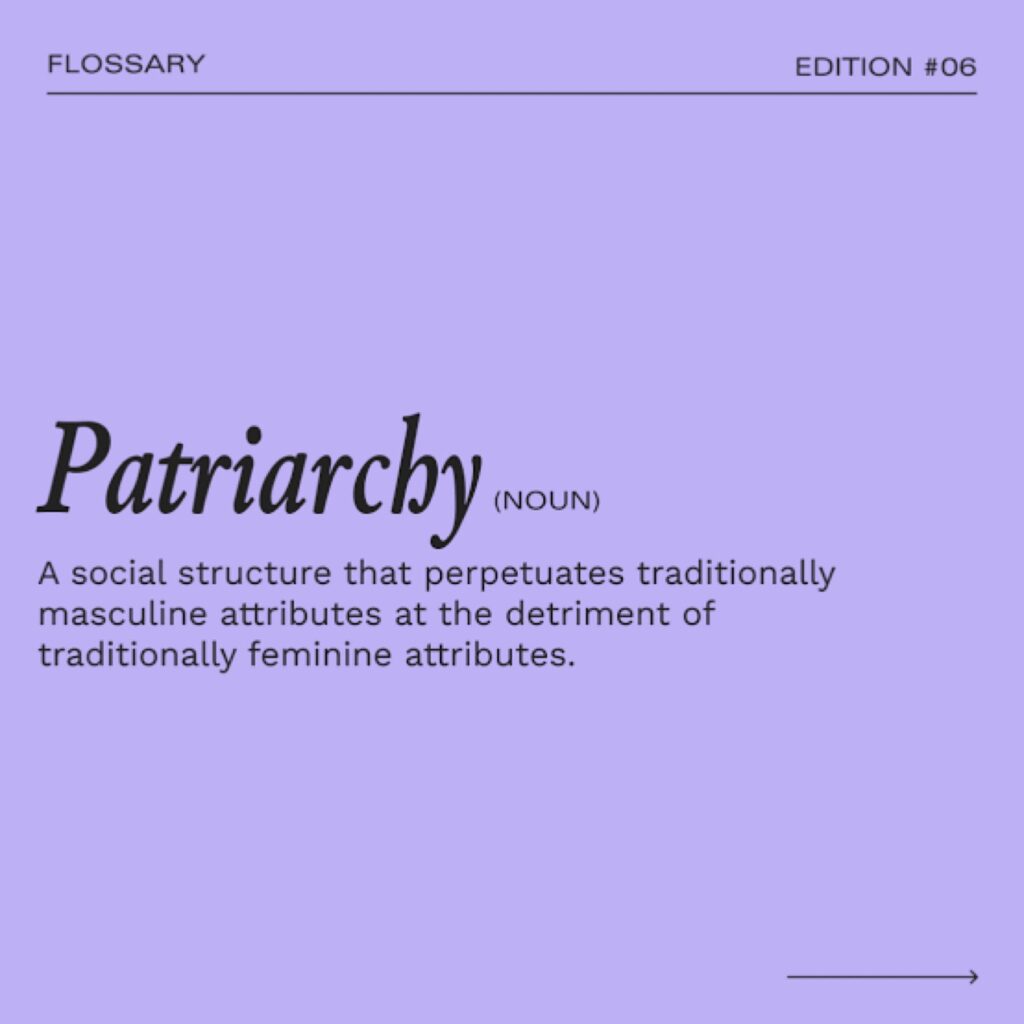
Patriarchy doesn’t just harm women — it harms men, too.
It asks you to trade connection for control, and tenderness for toughness.
When that emotional cost builds up, it can look like male depression in relationships — resentment, withdrawal, or a loss of desire. But beneath that behaviour, there’s usually pain, shame, and a longing to feel understood.
How Patriarchy Shapes Men’s Emotional Worlds
Patriarchy tells you that strength means self-reliance and emotional stoicism. Vulnerability feels like a threat to identity, and asking for help looks like failure. But repressing emotion always comes at a price. The nervous system can only hold so much unspoken fear, sadness, and shame before it turns inward.
You start to disconnect — not just from your partner, but from yourself. You stop noticing what you feel, what you need, and what you want. Your relationship becomes a place of quiet tension instead of comfort. Sex can start to feel like pressure instead of pleasure.
Male Depression and Intimacy
In psychosexual therapy, I often see how emotional withdrawal turns into sexual withdrawal. Depression can dull desire — not because you’ve stopped being attracted to your partner, but because your body no longer feels safe enough to open up.
When stress, shame, or performance anxiety take over, arousal struggles to take root. You might avoid sex altogether, or you might pursue it as a way to escape emptiness. Either way, the real issue is the same: disconnection.
Real intimacy — emotional or physical — can’t grow where vulnerability feels unsafe.
The Path to Healing: From Silence to Connection
Terry Real’s work reminds us that men don’t need to “man up.” You need to open up — to reclaim the emotional honesty that patriarchy denied you.
Healing begins when you stop performing and start relating.
In therapy, that might look like:
-
Naming emotions you’ve buried for years
-
Learning to ask for reassurance or comfort without shame
-
Understanding that safety, not performance, is the foundation of desire
As you reconnect with your emotions, your relationships begin to shift. Your partner feels seen again. Intimacy deepens. Sex becomes less about doing and more about being — a space of presence, trust, and tenderness.
Reclaiming Real Strength
Patriarchy tells you that real strength means control. But real strength lies in connection — in the courage to be known, to ask for help, and to feel deeply.
Healing male depression isn’t about becoming less masculine.
It’s about becoming more whole.
When you allow yourself to feel, you rediscover not only yourself but also the love and intimacy you’ve been missing.
FAQ
What does male depression look like in relationships?
Irritability, silence, emotional withdrawal, and loss of sexual interest are common signs.
Why does patriarchy matter here?
It rewards stoicism and control, which makes vulnerability—and therefore intimacy—feel unsafe.
Is low desire always about attraction?
Often not. Stress and shame suppress arousal; safety and connection restore it.
How can a partner help?
Remove pressure, invite honest check-ins, and focus on connection before solutions.
What helps in therapy?
Direct, compassionate work on emotions and repair skills; then sex therapy tools at the speed of safety.
Can intimacy really come back?
Yes—when both partners practise safety, accountability, and co-regulation, intimacy often deepens.
Want support with this?
If this blog resonated with you, I offer free consultation where we can explore what’s bringing you here and whether working together feels like a good fit.
I also create a range of resources on sexual wellbeing, including both free and paid options, designed to be accessible, supportive and inclusive.
→ Book a free consultation
→ Explore resources
You’re welcome to take what’s useful and leave the rest.

The Value of Thinking Together
July 31, 2026

How Do I Decide if We’re the Right Fit?
July 21, 2026
How Patriarchy Shapes Our Relationships
July 20, 2026